

Foreword
In today's highly competitive digital landscape, a strong online presence is no longer optional for developers, freelancers, and tech startups—it is an absolute necessity. GitHub stands as the world's largest platform for open-source collaboration and code hosting, serving as a dynamic resume for tech professionals globally.

However, building a robust GitHub profile from scratch with a rich commit history and numerous repositories can take years of consistent effort. This steep requirement has led many professionals to explore a strategic shortcut: choosing to buy GitHub accounts.
This comprehensive guide will explore the strategic advantages, practical use cases, and essential safety protocols involved when you decide to buy GitHub accounts. Whether you are a freelance developer looking to win more contracts or a startup aiming to establish immediate technical authority, understanding how to leverage aged and active GitHub profiles can significantly accelerate your professional growth.
Understanding the Value of a GitHub Profile
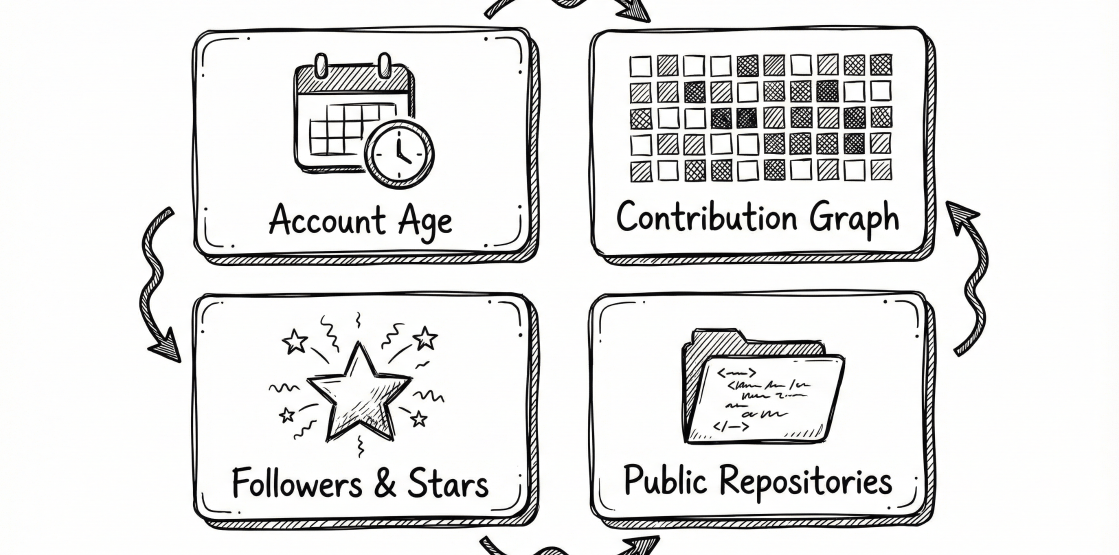
Before diving into the process of purchasing an account, it is crucial to understand what makes a GitHub profile valuable in the eyes of recruiters, clients, and the broader developer community. A GitHub account is much more than just a username; it is a comprehensive portfolio that reflects a developer's consistency, technical skills, and active participation in the open-source ecosystem.
When professionals look to buy GitHub accounts, they typically evaluate several key metrics that define the account's worth:
| Key Metric | Description | Value Proposition |
|---|---|---|
| Account Age | The duration since the account was created. | Older accounts are inherently trusted more by the platform's algorithms and human reviewers, signaling long-term industry involvement. |
| Contribution Graph | The visual representation of daily commits over time. | A dense, green contribution graph demonstrates consistent coding habits and active project maintenance. |
| Public Repositories | The number and quality of open-source projects hosted. | Showcases actual coding skills, project architecture capabilities, and willingness to share knowledge. |
| Followers and Stars | Community engagement metrics. | High numbers indicate that the developer's work is recognized, appreciated, and utilized by peers. |
By acquiring an account that already excels in these areas, you bypass the initial "cold start" phase and immediately present yourself as an established entity in the tech community.
Types of GitHub Accounts Available for Purchase
The marketplace for GitHub accounts offers various options tailored to different professional needs. Understanding these categories is essential to ensure you buy GitHub accounts that align perfectly with your strategic goals.
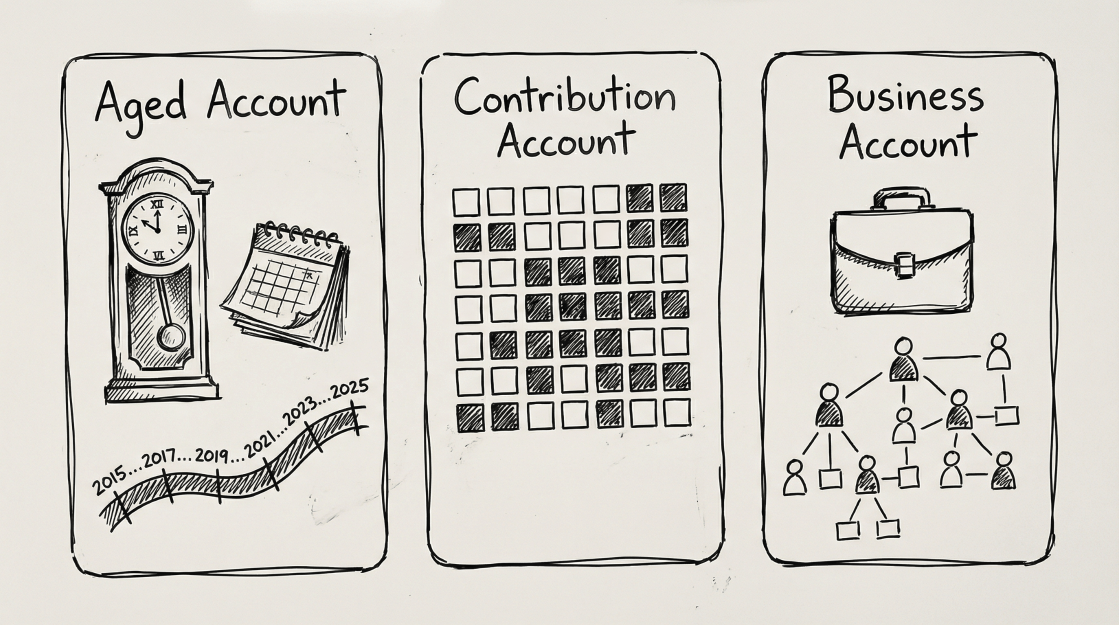
1. Aged GitHub Accounts
These are older accounts, typically ranging from 3 to 10 years old, possessing a consistent activity timeline. The primary advantage of an aged account is the immediate trust it commands. They appear highly credible and are ideal for showcasing long-term experience in the software development field. These accounts are particularly beneficial for freelancers and job seekers who need to demonstrate a sustained commitment to their craft.
2. GitHub Accounts with Contributions
These profiles are characterized by highly visible and active contribution graphs. They contain a real history of commits, repositories, forks, and pull requests. For developers building portfolios or bootcamp graduates needing to prove practical experience, buying a GitHub account with a rich contribution history provides tangible proof of coding activity that theoretical knowledge alone cannot convey.
3. Business or Team Accounts
While GitHub organizations themselves are not directly sold, many providers offer team-ready individual accounts equipped with verified emails, repository access, and pre-configured setups for collaboration. Agencies and startups frequently utilize these accounts to compartmentalize development work, manage multiple client projects securely, or promote new SaaS tools with an established identity.
Strategic Benefits: Why Buy GitHub Accounts?
The decision to buy GitHub accounts is driven by several compelling strategic advantages that can directly impact a professional's career trajectory or a business's operational efficiency.
Instant Portfolio Boost
For job seekers and freelance developers, the ability to showcase real projects and a history of contributions immediately is invaluable. Instead of spending months building a repository from scratch, a purchased account provides an instant, impressive portfolio that can be presented to potential employers or clients right away.
Enhanced Trust and Credibility
Clients and technical recruiters routinely scrutinize GitHub profiles during the vetting process. An aged, active profile naturally gives the impression of a seasoned, reliable developer. This enhanced credibility can be the deciding factor in winning a competitive freelance bid or securing a lucrative job offer.
Time-Saving for New Projects
Startups launching new products or open-source tools benefit significantly from hosting their code under an active account. Launching from a brand-new account with zero history or followers often results in low initial visibility. An established account lends immediate legitimacy to the repository, thereby improving community engagement and adoption rates.
Use Cases: Who Benefits Most?
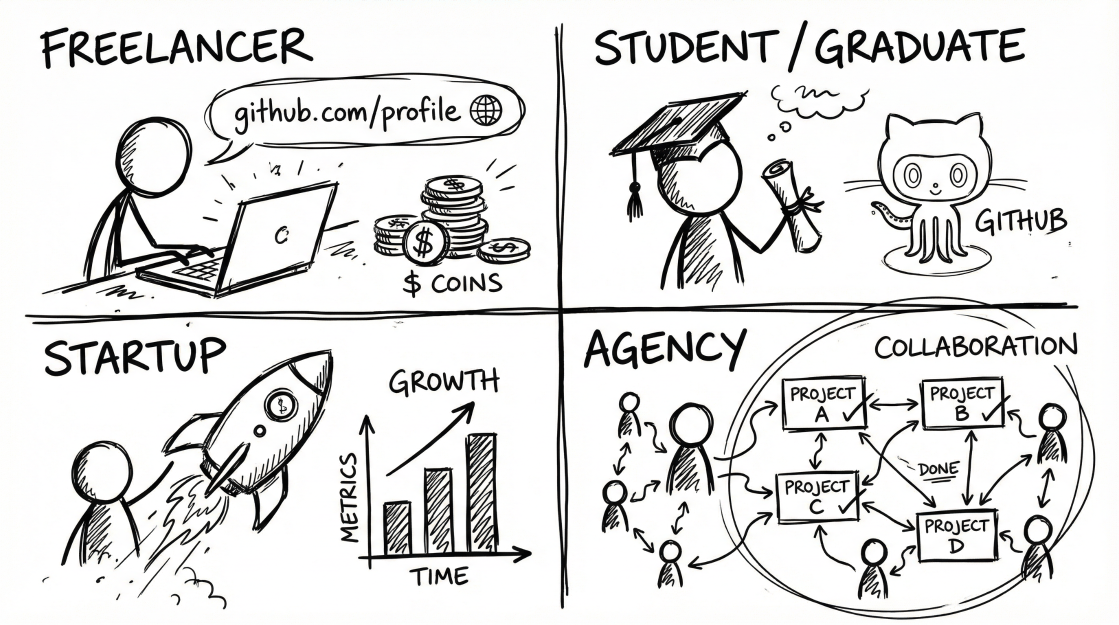
Different professionals leverage purchased GitHub accounts to solve specific challenges in their respective domains.
•Freelancers: When applying for contracts on platforms like Upwork or Toptal, clients frequently request GitHub links. An aged account with a solid contribution history dramatically increases the likelihood of winning high-value contracts.
•Students and Bootcamp Graduates: Recent graduates often face the "experience paradox"—needing experience to get a job, but needing a job to get experience. Buying a well-maintained profile allows them to showcase open-source contributions and mock projects, bridging the gap between education and employment.
•SaaS Startups: Launching a new software tool requires trust. Using an aged GitHub profile with existing followers and starred repositories can enhance trust among early adopters and beta testers.
•Agencies: Development agencies managing multiple clients may need to separate development environments under distinct GitHub identities. Purchasing aged accounts simplifies this administrative burden while maintaining high credibility for each client project.
How to Choose a Trusted GitHub Account Provider
The marketplace for digital accounts requires careful navigation. To ensure a secure and valuable transaction when you buy GitHub accounts, it is critical to select a reputable provider.
When evaluating potential sellers, look for the following trust indicators:
•Positive Buyer Reviews: Check independent forums and review sites for feedback from previous customers.
•Verifiable Activity: Request screenshots of the contribution graph and account settings to verify the account's history and age.
•Replacement Guarantees: Reputable sellers will offer a warranty or replacement guarantee if the account encounters issues shortly after purchase.
•Comprehensive Packages: A standard purchase should include the username, password, linked recovery email (or the option to change it), and full access to all public and private repositories.
Safety Checklist: Using Your Purchased Account Securely
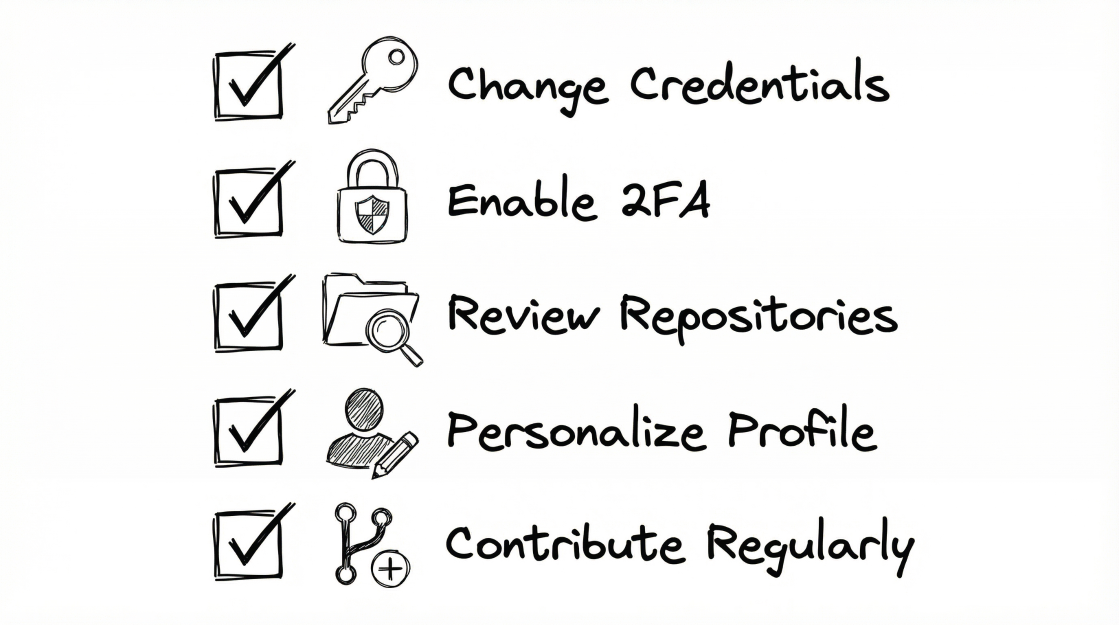
Acquiring the account is only the first step; securing it and integrating it into your workflow safely is paramount to long-term success.
Follow this essential checklist immediately after you buy GitHub accounts:
Update Credentials Immediately: Change the password, update the primary email address, and modify all recovery options to ensure you have exclusive control.
Enable Two-Factor Authentication (2FA): This is a critical security measure to protect your new asset from unauthorized access.
Review and Clean Repositories: Carefully examine existing repositories. Archive or delete projects that are irrelevant to your professional persona, but retain those that add value to your portfolio.
Personalize the Profile: Update the bio, profile picture, and external links (such as your LinkedIn or personal website) to align the account with your real-world identity.
Maintain Consistent Activity: Begin contributing regularly. Blending your new, genuine activity with the account's historical data ensures the profile looks natural and actively maintained.
Conclusion
Deciding to buy GitHub accounts can be a highly effective strategy for developers, freelancers, and startups looking to bypass the lengthy process of building online credibility from scratch. By acquiring an aged, active profile, you gain an immediate portfolio boost, enhanced trust from clients and recruiters, and a competitive edge in the tech industry.
However, it is vital to remember that while a purchased account opens doors, it is your actual coding skills, consistent contributions, and professional integrity that will keep those doors open. Approach the process carefully, choose trusted providers, and prioritize account security to maximize the return on your investment. By combining a strong, established GitHub presence with genuine technical expertise, you position yourself for sustained success in the digital marketplace.